
A hub to foster the EMERGE European alliance at UBS
A hub to foster the EMERGE European alliance at UBSIn Vannes, Université Bretagne Sud is inaugurating the hub for the EMERGE European alliance. This space is designed to facilitate daily collaboration between the nine partner universities.
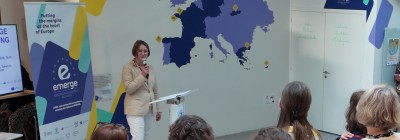
Europe at the Heart of UBS
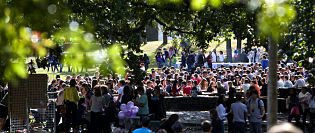
On Wednesday 11 March in the lobby of the Simone Veil building in Vannes, Université Bretagne Sud inaugurated the EMERGE European Alliance hub in a solemn yet joyful atmosphere. The event brought together students, staff, and international partners of UBS, as well as representatives from the nine alliance universities present in Vannes for the UBS International Week.
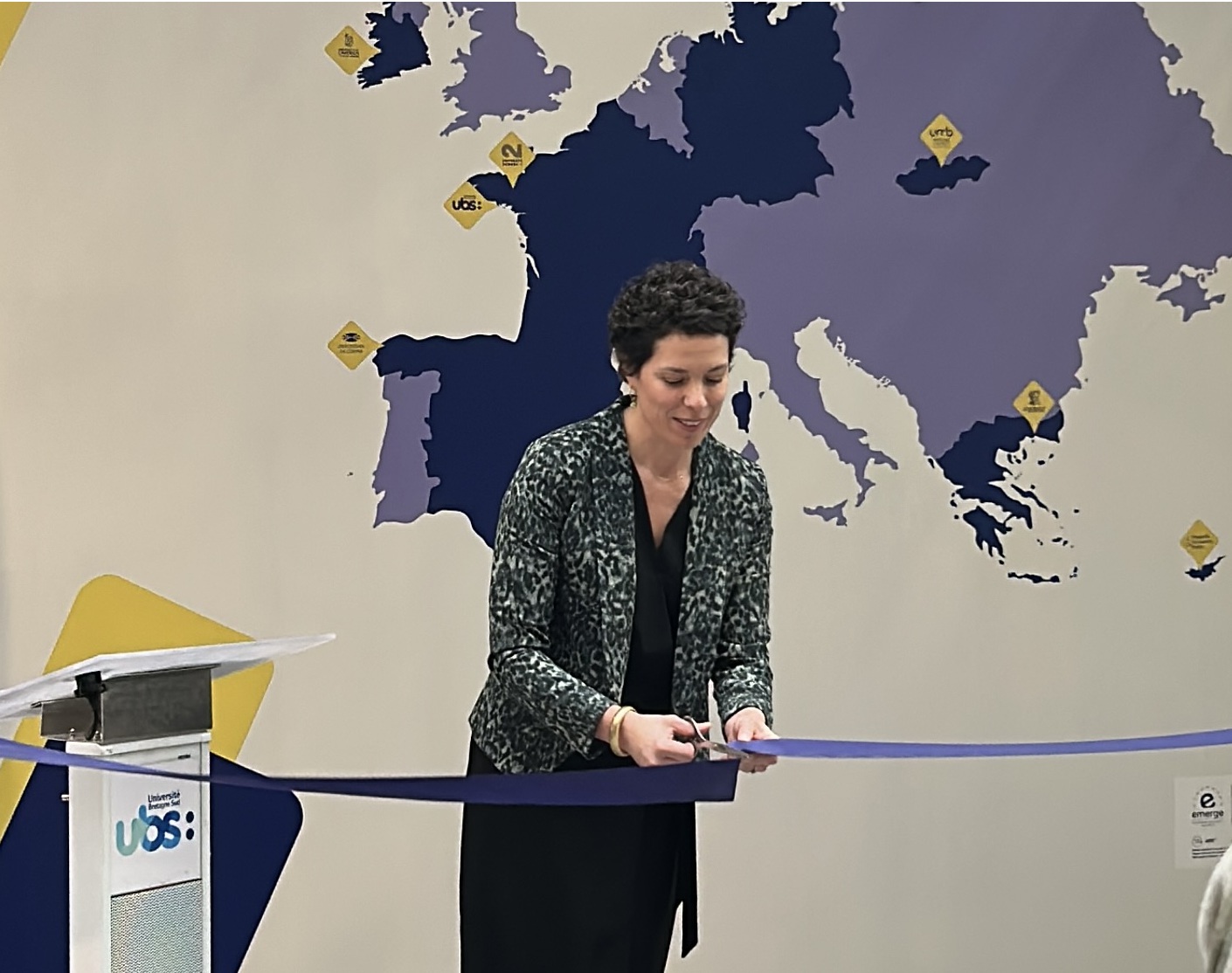
With this hub, UBS now has a clearly defined space to bring the alliance to life on a daily basis. It's a space designed to foster meetings, exchanges as well as the emergence of new initiatives among partner universities.
"Europe is also built in places like this. The EMERGE hub must be a meeting point for students, researchers and partners who want to work together and develop new projects," emphasizes Christine Chauvin, Vice-President in charge of the EMERGE alliance at UBS.
The space was also designed to be welcoming and easily identifiable. For its creation, the university commissioned an artist who designed a mural dedicated to the EMERGE alliance. The artwork represents the partner universities and their connections, while highlighting their individual identities. It evokes the European cooperation and cultural diversity that characterize the alliance.
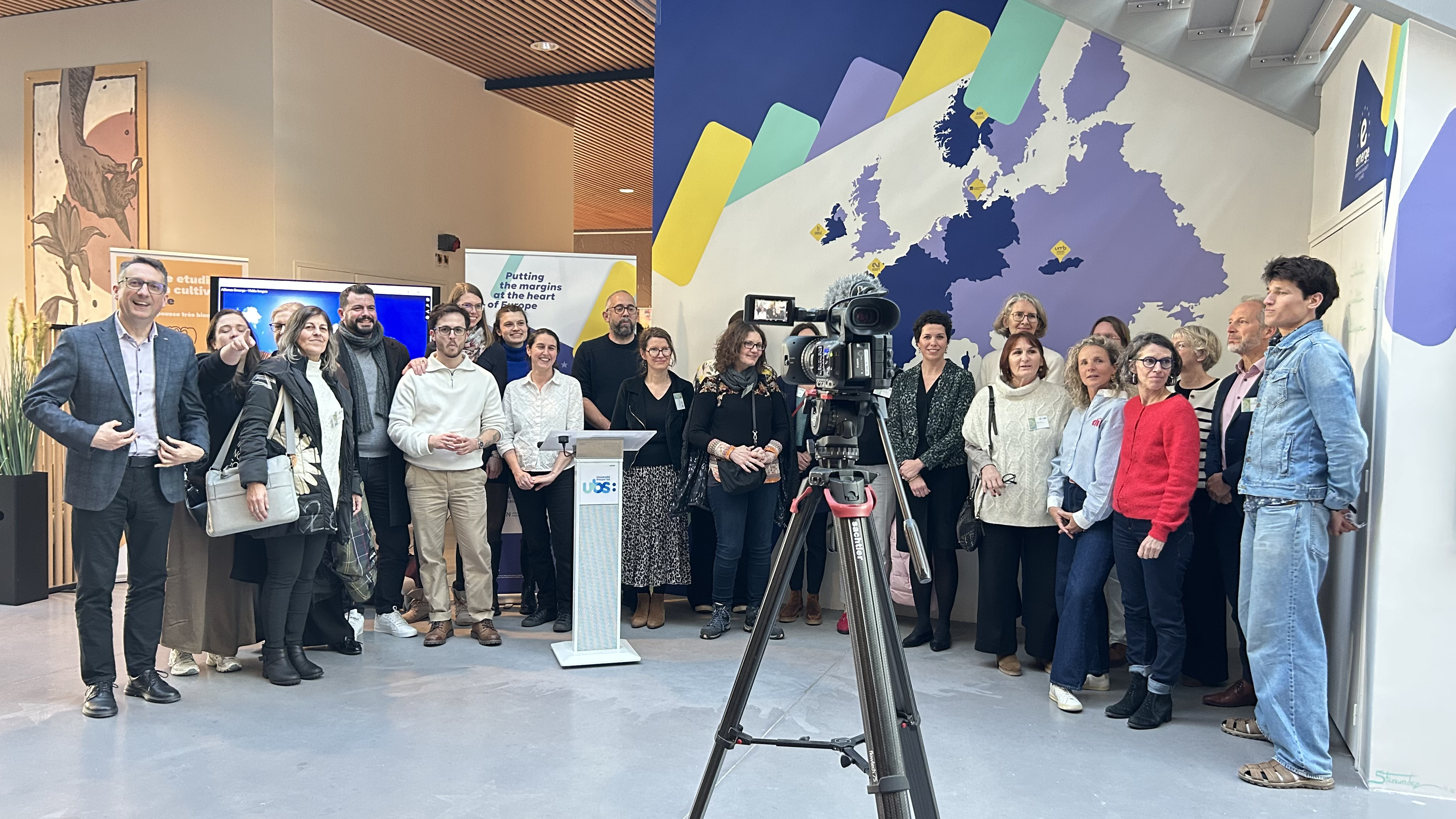
The Voices of EMERGE
The hub's inauguration also served as a reminder of the values upheld by the EMERGE alliance: inclusion, solidarity, sustainability, resilience, multilingualism and cultural diversity.
In order to illustrate these values, nine participants (students, staff, and representatives from partner universities) spoke during a session entitled "The Voices of EMERGE." Each speaker presented one of the alliance's values in their own language, in the form of a short pitch.
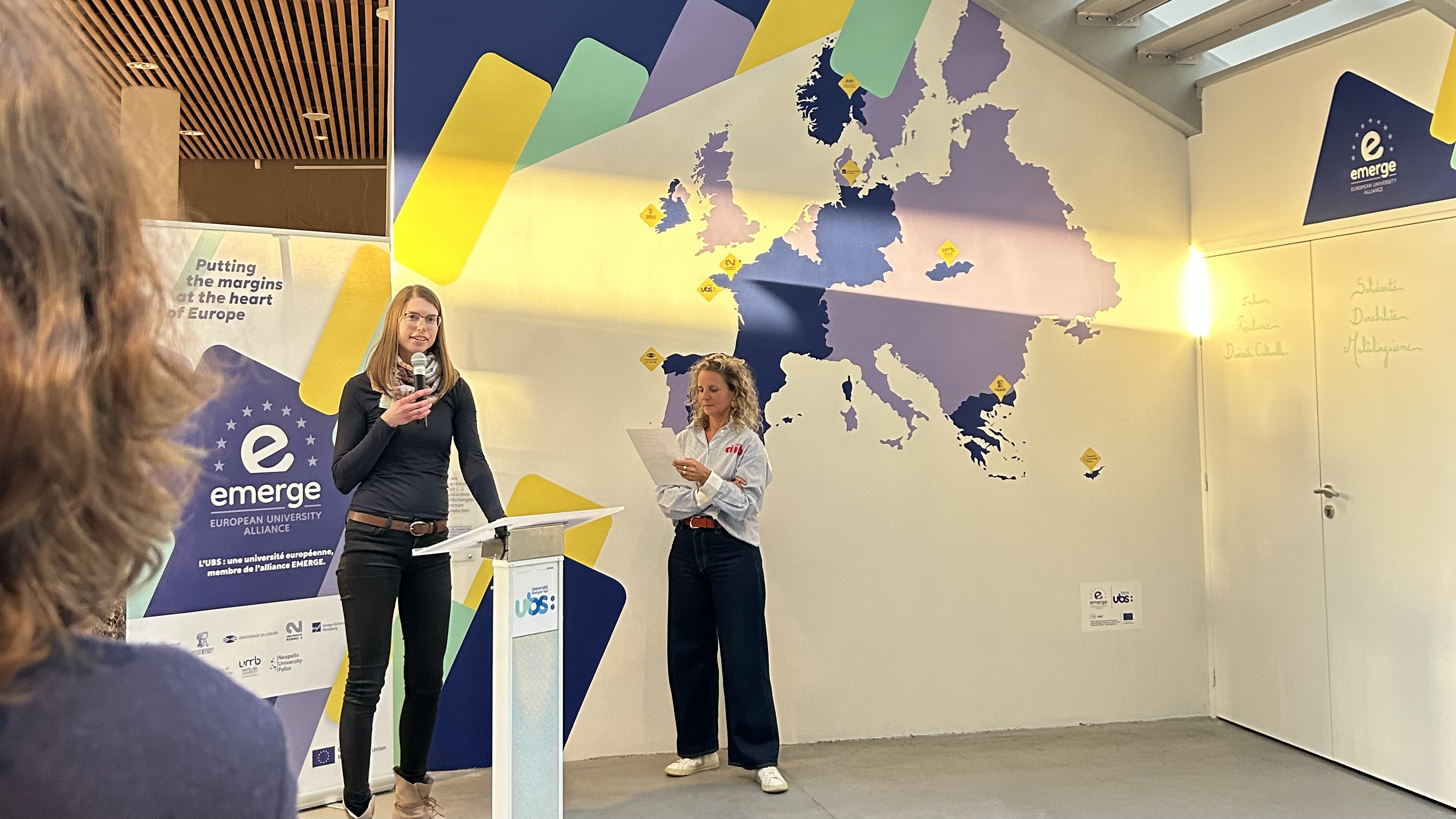
In total, nine languages were heard. These are the languages of EMERGE universities (including Breton) and the language of an EMERGE global partner (Malagasy). This served as a reminder that linguistic and cultural diversity is one of the foundations of the alliance.
- Faculty of Law and Political Science
Faculty of Law and Political ScienceCampus Vannes · 02 97 01 26 00 - Faculty of Arts, Humanities and Social Sciences
Faculty of Arts, Humanities and Social SciencesCampus Lorient · 02 97 87 29 29 - Faculty of Sciences and Engineering Sciences
Faculty of Sciences and Engineering SciencesCampus Lorient · 02 97 88 05 50
Campus Vannes · 02 97 01 70 70 - School of Engineering
School of EngineeringCampus Lorient · 02 97 88 05 59
Campus Vannes · 02 97 01 72 73 - Lorient and Pontivy Institute of Technology
Lorient and Pontivy Institute of TechnologyCampus Lorient · 02 97 87 28 00
Campus Pontivy · 02 97 27 67 70 - Vannes Institute of Technology
Vannes Institute of TechnologyCampus Vannes-Kercado · 02 97 62 64 64 - IAE Bretagne Sud
IAE Bretagne SudCampus Vannes · 02 97 01 26 05
 Lorient Campus27 rue Armand Guillemot
CS 7030, 56321 LORIENT Cedex Pontivy CampusAllée des Pommiers
56300 Pontivy Vannes CampusRue André Lwoff
CS 60573, 56017 VANNES Cedex